
Run the work, not just document it

Document any process once. Assign each step to people or AI. Track every task to done. See where things stand. Skip status meetings.

People-powered workflow

Gartner Peer Insights: 4.6 out of 5

How a workflow runs

Document the steps once. Assign each one to a person, a group, or an AI agent. Set deadlines and conditions so the workflow routes itself. Then watch it run, with every task tracked and every handoff visible.

Here is the part most tools miss. AI amplifies whatever process it follows, so a workflow you have actually defined is what makes AI useful instead of risky. Define the process first. The speed comes after.

What a form or an email can't do

A form collects answers. Tallyfy turns each answer into work someone owns and finishes.

  • Turn forms into tasks

    Split one long form so each person fills their part, with a deadline and reminders.

    A long form is cut into three slices, and each slice goes in turn to its own person as a numbered step that gets a check. 1 2 3
  • Show the right task at the right time

    A short kickoff form, then rules that show only the steps that apply.

    A kickoff form answer of Drywall turns on a rule, so only the two drywall steps show and get checks while the other steps stay hidden. Drywall 3 4 1 2 3 4 If Drywall 1 2
  • Your AI updates Tallyfy from email and chat

    Connect the AI you already use. It fills in fields and completes tasks.

    Your AI reads an email and a chat message, then completes a Tallyfy task and fills in a field AI 1 2
  • Your AI updates Tallyfy from meetings

    Give it the meeting transcript. It updates the tasks and fields that came up.

    What was said in a meeting reaches Tallyfy once your AI connects it, so a task is completed and a field is filled in AI 1 2
  • Direct your other apps through AI

    Instructions saved in each step tell your AI what to do, the same way every time.

    A Tallyfy step holds saved instructions, AI follows them in three apps, and each result comes back to the step as a check ? AI Instructions
  • Write it once, run it every time

    Each run follows the same steps, and every change you make improves the next one.

    Document, Run and Improve form a loop, and the run counter goes up each time round Document Run Improve 1 2 3

Three ways every task gets done in Tallyfy

1

People

Anyone can do their step, even guests with no login.

Explore workflow →
2

AI

Hand the boring steps to AI, one task at a time.

Explore Tallyfy AI →
3

Apps

Your other apps do their part, no glue.

All integrations →

Popular process templates

Free templates other teams use. Copy one into Tallyfy and change any step.

Internal Purchase Order Request
15 steps
Example run: 1 of 15 done
  1. Done: Submit PO request
  2. In progress: Review PO under $10k
  3. Waiting: Generate PO number
+12 more steps See template
Employee Onboarding
8 steps
Example run: 1 of 8 done
  1. Done: Set up payroll
  2. In progress: Order equipment
  3. Waiting: Prepare workspace
+5 more steps See template
Client Onboarding
6 steps
Example run: 1 of 6 done
  1. Done: Gather basic info
  2. In progress: Send welcome email
  3. Waiting: Kickoff call
+3 more steps See template

More on running workflows

Read the workflow blog »

What is process documentation and how to do it

Process documentation captures the exact steps to complete a business process. First formalized by the National Irrigation Agency in the Philippines during the 1970s, it preserves institutional knowledge and reduces errors during staff turnover.
How to create an approval process workflow

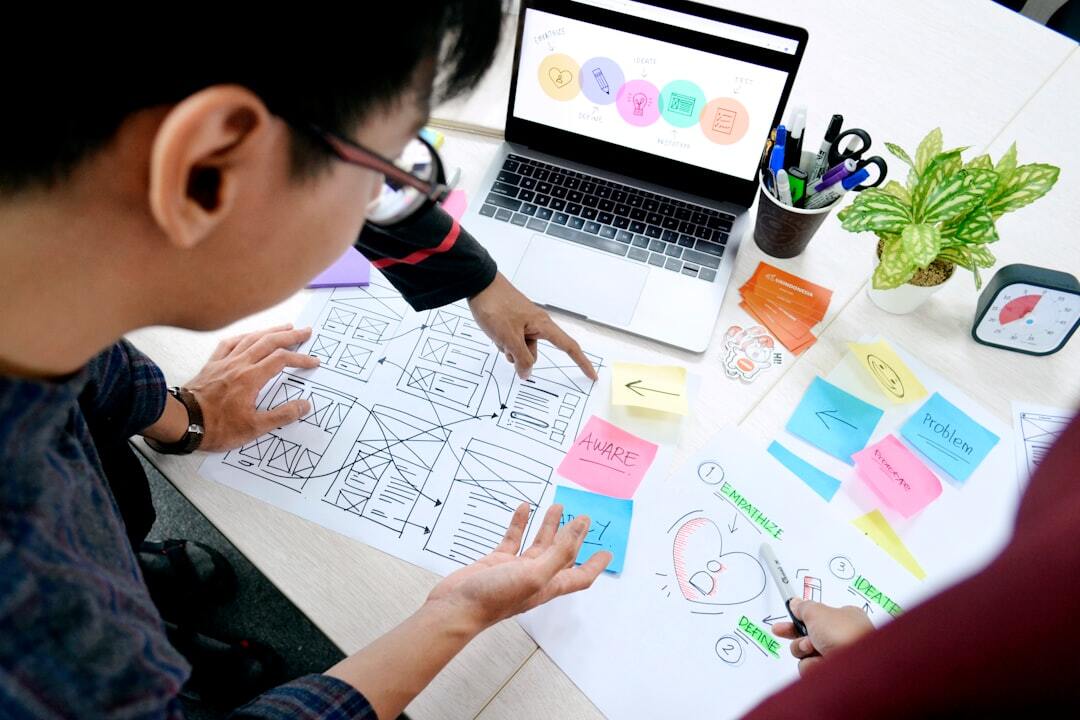
Email-based approval process workflows create bottlenecks that grow with your organization, with pending requests piling up for weeks while teams sit idle. Tallyfy centralizes every request, automates routing to the right approver, and stops sign-offs from getting lost in overloaded inboxes.

Business process design - what it is and how to do it

Business process design means building new workflows from scratch with clear steps and responsibilities. As W. Edwards Deming showed, undefined processes cannot be improved, making design the foundation for consistency, efficiency and AI readiness.

Ready to run your first workflow?

Document one recurring process and watch it run itself